 How Household Replacement Cycles Influence When to Use Fridge or Mobile EMI
  Mapping Success: How to Choose the Best Location for a Dispensary
  Diversified Investment Pathways: A Formal Look at the Integration of NSE IPO and SIP
  Open Your Demat Account Today to Invest in NSDL and Track Its Share Price
  Documentation and Verification in Digital Gold Loan Applications
  Measuring ROI and Performance with Yext SEO
  Content Marketing Agency: Transforming Content Into Business Results
  The Demographic Shift: Who’s Really Using Personal Loan Apps?
  Organising Modern Workspaces with Plastic Storage Containers and Stackable Storage Containers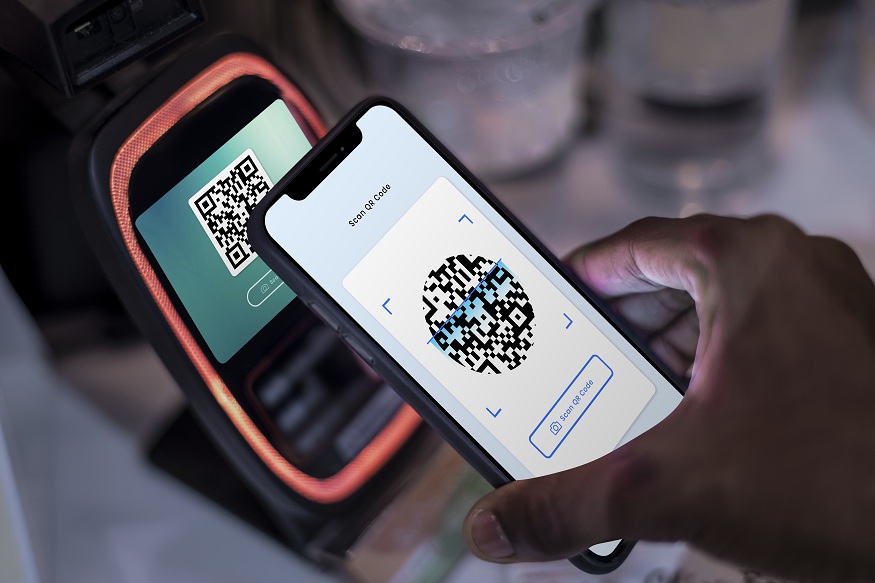
In recent years, the world has experienced a digital revolution that has fundamentally changed the way people manage their finances. Among the many advancements, digital bill payments have emerged as a transformative force in handling daily expenses. From metros to smaller towns, the rise of digital transactions has been quick and pervasive. This article delves into the impact of digital bill payments in India, examining how innovative solutions like UPI are reshaping financial habits across the country.
The Rising Tide of Digital Transactions
Digital payments were once a novel convenience, but today, they have become an integral part of daily life in India. With smartphones becoming ubiquitous and internet connectivity reaching even the remotest villages, digital platforms are bridging gaps that were once deemed insurmountable. The concept of online bill payment is not just about convenience; it’s a significant shift towards efficiency and transparency.
In the past, managing daily expenses involved long queues at bill counters, handling cash, and dealing with the hassle of paper receipts. With the advent of digital payment systems, however, these practices are quickly becoming a thing of the past. Today, consumers can pay utility bills, school fees, insurance premiums, and more with just a few taps on their phones. This transformation is not only enhancing convenience but also enabling real-time tracking of expenses, thereby promoting better financial management.
The Role of UPI in Revolutionising Payments
At the heart of India’s digital payment transformation is UPI. Launched by the National Payments Corporation of India, UPI is a real-time payment system that facilitates inter-bank transactions. Its user-friendly interface and secure technology have made it the backbone of India’s digital economy.
Why is UPI so revolutionary? Unlike traditional online transactions that require multiple steps, UPI simplifies the process by allowing direct bank-to-bank transfers using a virtual payment address. This simplicity has been a game-changer, leading to a staggering increase in adoption rates. As of the latest reports, UPI transactions have crossed the 8 billion mark monthly, underscoring its widespread acceptance.
Transforming Consumer Behaviour
One of the most profound impacts of digital bill payments is the shift in consumer behaviour. In traditional settings, handling cash was the norm, and budgeting often required cumbersome ledger maintenance. Digital payments have changed this landscape dramatically.
- Increased Financial Literacy: With digital transactions, users are more aware of their spending patterns. Financial apps provide insights into expenditure categories, helping users make informed decisions.
- Impulse Spending Control: The transparency offered by digital payments has also aided in curtailing impulse purchases. Real-time notifications and transaction histories allow consumers to keep a close watch on their expenses.
- Budgeting and Savings: Many digital payment platforms offer features that help in setting budgets and saving goals. This proactive approach encourages users to plan their finances better.
The Impact on Businesses
It’s not just consumers who are benefiting from digital bill payments; businesses are witnessing transformative changes as well. Digital payments offer efficiency in processing transactions, reducing the need for manual bookkeeping and decreasing cash handling risks. For small and medium enterprises (SMEs), this shift is particularly advantageous as it allows them to access a broader customer base and streamline their operations.
Furthermore, businesses can use digital payments to harness data analytics, providing insights into consumer preferences and purchasing behaviour. This enables better decision-making and targeted marketing strategies, fostering growth and competitiveness in the market.
Challenges in the Digital Payment Landscape
While digital payments offer numerous benefits, they are not without challenges. Security remains a top concern for many users who fear cyber fraud and data breaches. Addressing these issues requires continuous advancements in security protocols and user education on safe practices.
Another challenge is digital literacy, particularly in rural areas where the penetration of digital payments is still evolving. Efforts by the government and private sector to enhance digital literacy through workshops and training sessions are crucial in ensuring that the benefits of digital payments reach all demographics.
Government Initiatives Promoting Digital Payments
The Indian government has been proactive in promoting digital payments through various initiatives. The Digital India programme aims to transform the country into a digitally empowered society. Efforts like the introduction of the RuPay card, BHIM app, and incentives for merchants to accept digital payments have bolstered the digital ecosystem.
Additionally, policy frameworks and regulatory oversight have been strengthened to foster trust and innovation in digital payment solutions. By providing a more secure and structured environment, these initiatives are encouraging more people to embrace digital financial tools.
The Road Ahead: Future of Digital Bill Payments
As technology continues to evolve, the future of digital bill payments looks promising. Innovations such as blockchain and artificial intelligence are poised to further enhance the security and efficiency of digital transactions.
Moreover, the integration of digital payments with emerging technologies like the Internet of Things (IoT) could revolutionise the way we manage everyday expenses. Imagine intelligent devices automatically paying bills on your behalf, based on usage patterns and pre-set rules, all while ensuring prompt payments and optimising energy consumption.
Conclusion: Embracing the Change
The embrace of digital bill payments is not merely a trend but a fundamental shift in handling finances. As digital payment methods like online bill payment and UPI continue to become pervasive, individuals and businesses alike stand to benefit from increased efficiency, transparency, and control over their finances.
However, the path to a fully digital economy requires ongoing efforts to educate users, enhance security, and expand access. By fostering a culture of digital literacy and trust, India can ensure that digital payments become a pillar of inclusive growth and development.
The journey towards a seamless digital payment ecosystem is well underway. The future beckons with possibilities, and it’s time to embrace the digital wave wholeheartedly. Whether you’re an individual consumer or a business, the time to adapt is now, for the digital economy waits for no one.
Related Posts

Documentation and Verification in Digital Gold Loan Applications